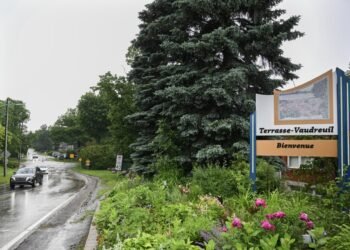


A groundbreaking resolution transforms a small Quebec municipality into an environmental pioneer. Terrasse-Vaudreuil officially recognizes trees as living beings deserving full legal protection and constitutional rights.
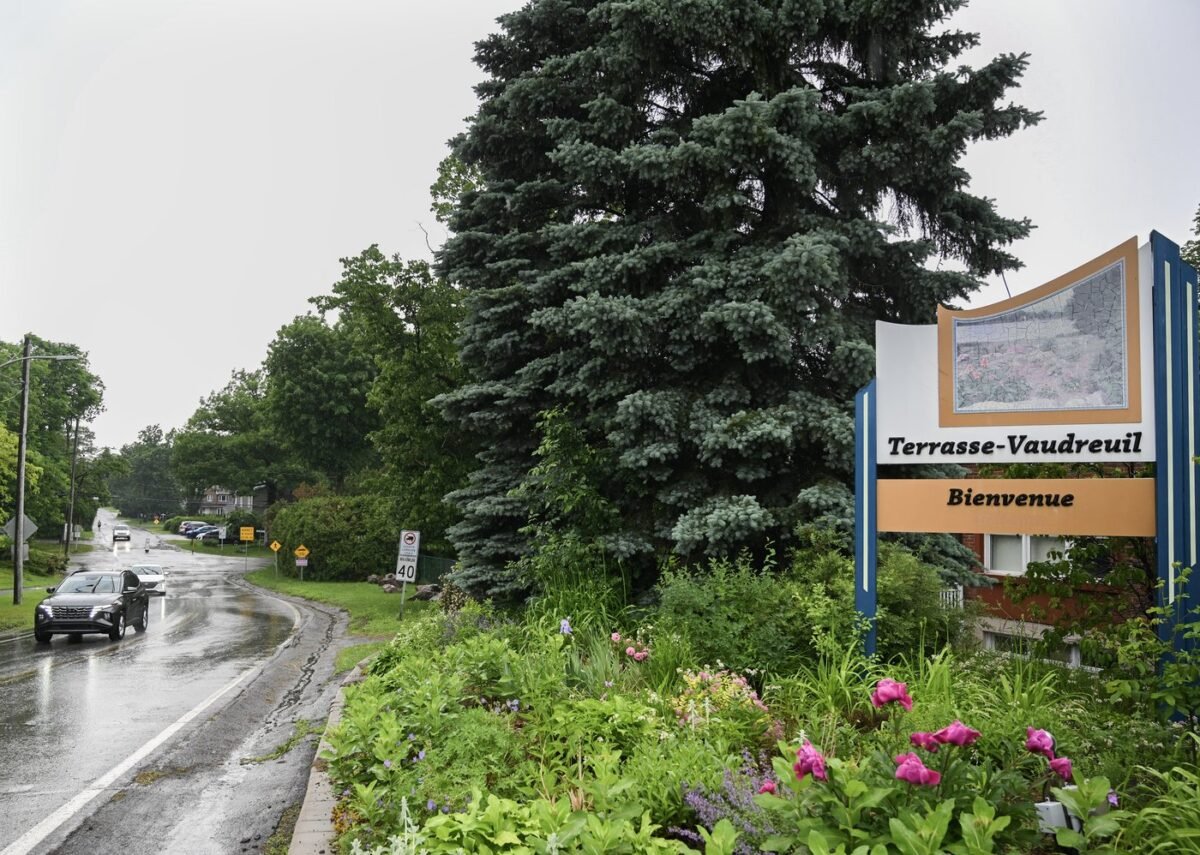
Terrasse-Vaudreuil Declares Trees “Our Biggest Ally” – A First in Quebec and Canada
A municipal government west of Montreal has shattered conventional legal frameworks by adopting a landmark resolution granting comprehensive rights to trees. On June 9, 2026, the Terrasse-Vaudreuil city council unanimously passed the historic declaration, positioning the municipality as the first in Quebec and the first in Canada to sign the Universal Declaration of the Rights of the Tree.
The resolution establishes that trees possess essential rights: the right to life, the right to natural growth, the right to integrity, and the right to regeneration. This groundbreaking legislative action represents a transformative shift in how communities approach environmental conservation and urban forestry management.
What Terrasse-Vaudreuil’s Tree Rights Resolution Actually Means
The Four Core Rights Trees Now Possess Under Municipal Law
Terrasse-Vaudreuil’s resolution doesn’t merely celebrate trees philosophically—it establishes enforceable legal protections. The municipal government commits to:
- The Right to Life – Ensuring trees survive and flourish within municipal boundaries
- The Right to Natural Growth – Protecting trees from unnecessary restrictions on development and expansion
- The Right to Integrity – Preventing destructive damage to tree structure and natural composition
- The Right to Regeneration – Supporting the tree’s capacity to recover from injury and reproduce
These protections require municipal officials to revise existing bylaws and regulatory frameworks. Any tree removal now demands documented justification, and the city must replace removed trees to maintain canopy coverage. This legal obligation fundamentally changes how developers, contractors, and municipal planners approach land use decisions.
Implementation and Municipal Accountability
Mayor Michel Bourdeau articulated the town’s commitment: “Trees are a true green infrastructure. They help reduce urban heat islands, improve air quality, manage precious water resources, and protect biodiversity.“
The municipality now systematically reviews all existing regulations to ensure alignment with tree rights principles. The city council has already begun planning tree-planting initiatives, offering residents free or subsidized saplings to expand the community’s urban forest canopy.
Why This Movement Matters: Understanding the Global Rights of Nature Initiative
Trees as Ecosystems: A Revolutionary Perspective on Environmental Rights
Yenny Vega Cardenas, President of the International Observatory of Nature Rights, emphasizes why the tree rights movement transcends conventional environmentalism. “A single tree functions as its own ecosystem,” Cardenas explains, noting that trees provide shade, food sources, and habitat for countless species simultaneously.
This ecological understanding reframes how communities value trees. Trees don’t simply beautify landscapes—they deliver measurable environmental and public health benefits:
- Urban Heat Island Reduction – Trees substantially decrease surrounding temperatures, reducing energy consumption for cooling
- Air Quality Enhancement – Trees filter particulates and produce oxygen essential for human respiratory health
- Water Resource Management – Trees improve water absorption, reduce runoff, and support groundwater replenishment
- Biodiversity Protection – Trees shelter insects, birds, and mammals critical to ecosystem stability
The Universal Declaration of the Rights of the Tree, which Terrasse-Vaudreuil now endorses, contains three foundational principles:
- Trees constitute living beings and represent a common human heritage
- All life on Earth depends directly on tree existence and ecological function
- Humanity must act with “fraternity and solidarity” toward trees
International Precedent: Rights of Nature Around the World
Terrasse-Vaudreuil joins a growing global movement granting legal personhood to natural entities. New Zealand, Colombia, and Ecuador have established legal protections for rivers and natural areas. Within Canada, the Innu Council of Ekuanitshit and Quebec’s regional government granted legal rights to the Magpie River in 2021.
Karine Péloffy, environmental lawyer with Ecojustice, validates the philosophical consistency of tree rights: “We know corporations have legal personhood and rights, and they are definitely not living. So if some nonliving things can have legal personhood, what’s stopping living beings from equally getting legal personhood?“
This legal analogy exposes the arbitrary nature of conventional rights frameworks. If corporations receive legal protection despite their non-living status, granting equivalent protections to sentient trees represents logical consistency rather than radicalism.
The Inspiration Behind Terrasse-Vaudreuil’s Tree Rights Resolution
Quebec Filmmaker André Desrochers Catalyzes Community Action
The impetus for Terrasse-Vaudreuil’s historic decision originated with filmmaker André Desrochers, whose documentary “Des Arbres et des Arts” (Of Trees and Arts) educated community members about tree consciousness and communication.
The film revealed scientific evidence that trees function as intelligent organisms capable of:
- Respiration – Trees breathe, absorbing carbon dioxide and releasing oxygen
- Nutrient absorption – Trees consume water and minerals essential to biological processes
- Intercommunication – Trees communicate through underground root systems and mycorrhizal networks, sharing nutrients and information
- Environmental response – Trees adapt to climate conditions and respond to environmental stressors
Mayor Bourdeau articulated the documentary’s impact: “A tree is like a human being. It breathes, it lives, it takes in water. It protects us from all sorts of things.“
This biological reality fundamentally challenged residents’ conventional understanding of trees as passive landscape features. Recognizing trees as living, communicative organisms created the moral and intellectual foundation for legal rights.
Environmental Experts Celebrate Terrasse-Vaudreuil’s Decision as “Hopeful Gesture”
Legal Scholars and Conservationists Endorse Tree Rights Framework
Environmental law professionals validate Terrasse-Vaudreuil’s approach as scientifically sound and legally innovative. Karine Péloffy describes the resolution as “a very hopeful gesture in the broader movement for the rights of nature.“
This expert endorsement reflects growing recognition among environmental scientists, lawyers, and policy analysts that conventional conservation approaches prove insufficient. Granting trees legal status transforms them from exploitable resources into protected beings with inherent rights.
The tree rights framework enables municipalities to implement aggressive reforestation and urban canopy expansion programs while simultaneously preventing destructive development. This dual approach addresses both climate change and immediate public health concerns.
Terrasse-Vaudreuil’s Strategic Position: A Natural Home for Tree Rights Leadership
Geographic and Demographic Factors Support Tree-Centered Governance
Terrasse-Vaudreuil occupies a unique position to pioneer tree rights advocacy. The municipality, with approximately 2,000 residents, sits amid Quebec’s natural forest landscape, situated west of Montreal. Residents deliberately chose this community specifically to embrace rural living and woodland environments.
The town’s recent flood experiences—the municipality experienced three major flooding events in recent years—demonstrate climate change’s immediate impact on the community. Rising environmental awareness combined with climate vulnerability created receptiveness to innovative conservation approaches.
Mayor Bourdeau confidently asserts that tree rights implementation won’t impede development or economic activity, partly because the municipality possesses no available vacant land for conventional expansion. This geographic reality allowed the city council to adopt tree protections without encountering significant opposition from development interests.
What Tree Rights Mean for Urban Planning and Municipal Governance
Paradigm Shift: From Extraction to Coexistence
Terrasse-Vaudreuil’s resolution initiates fundamental changes in municipal decision-making processes:
Development Review – Municipal planners must now evaluate tree impact before approving construction projects. Projects affecting trees require justification and mitigation strategies.
Public Spending – Budget allocations increasingly support tree planting, canopy maintenance, and urban forest expansion. These investments deliver measurable public health and climate resilience returns.
Community Engagement – Residents participate in tree planting initiatives and forest stewardship programs, fostering environmental consciousness and community cohesion.
Professional Accountability – Landscapers, arborists, and construction contractors operate within frameworks that prioritize tree preservation and replacement.
This governance evolution demonstrates how municipalities can align policy frameworks with emerging scientific understanding of human-nature relationships and climate imperatives.
The Broader Context: Why Tree Rights Matter in the Climate Crisis Era
Aligning Legal Systems with Ecological Reality
Tree rights resolutions address a critical misalignment between legal systems and ecological necessity. Conventional property law permits landowners to remove trees, often resulting in:
- Canopy loss – Urban tree coverage declines, reducing environmental benefits
- Species extinction – Tree removal eliminates habitat for dependent species
- Climate impact – Reduced tree populations increase atmospheric carbon dioxide
- Public health consequences – Lost trees increase urban heat, worsen air quality, and reduce mental health benefits
Terrasse-Vaudreuil’s approach recognizes that trees provide irreplaceable ecosystem services that transcend property rights. By establishing legal tree rights, municipalities can balance individual property interests with collective environmental welfare.
Future Implications: Scaling Tree Rights Across Quebec and Canada
Momentum Building for Expanded Legal Protections
Environmental organizations already recognize Terrasse-Vaudreuil’s decision as precedent-setting. The International Observatory of Nature Rights explicitly identified the municipality as the first Canadian signatory to the Universal Declaration of the Rights of the Tree.
This recognition positions Terrasse-Vaudreuil as a model for other Canadian municipalities contemplating tree rights frameworks. As climate impacts intensify and environmental awareness expands, additional communities will likely adopt comparable protections.
Anticipated expansion scenarios include:
- Provincial governments incorporating tree rights into provincial forestry legislation
- Metro Toronto and Greater Montreal municipalities adopting comparable resolutions
- Cross-border influence on American municipalities in nearby states
- Educational institutions using Terrasse-Vaudreuil as case study for rights-based environmental governance
Key Takeaways: Terrasse-Vaudreuil’s Historic Tree Rights Declaration
✓ First in Canada – Terrasse-Vaudreuil becomes the first Canadian municipality to grant legal rights to trees
✓ Comprehensive protections – Trees now possess the right to life, natural growth, integrity, and regeneration under municipal law
✓ Binding obligations – The municipality must revise bylaws to ensure tree protection and replacement
✓ Scientific foundation – Documentary filmmaking and ecological research inspired policy innovation
✓ Expert validation – Environmental lawyers and conservation organizations endorse the tree rights framework
✓ Global alignment – The decision joins international movements granting legal personhood to nature
✓ Climate relevance – Tree rights address urgent environmental and public health imperatives
About the Universal Declaration of the Rights of the Tree
The Universal Declaration of the Rights of the Tree represents an international initiative coordinated by environmental organizations including the International Observatory of Nature Rights. The declaration establishes that:
- Trees are living beings deserving legal protection and respect
- Tree existence constitutes a common human heritage requiring collective stewardship
- All terrestrial life depends on tree survival and ecological function
- Humanity must cultivate relationships with trees based on “fraternity and solidarity”
Terrasse-Vaudreuil’s adoption of this declaration signals growing recognition that conventional environmental protection frameworks prove inadequate for addressing climate change and biodiversity loss.
read more news : Humanoid Robot Begs for Electricity Money on China Streets With QR Code