






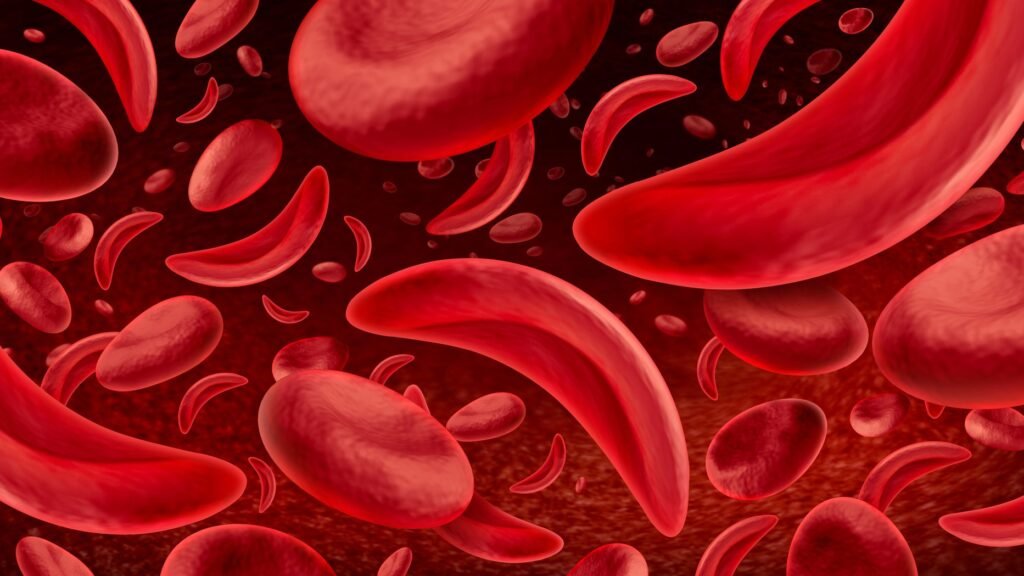
A landmark sickle cell gene therapy has delivered the first functional cure of the disease in the Gulf South, offering new hope to thousands of families battling one of the world’s most common genetic blood disorders.
Daniel Cressy, a 23-year-old from Metairie, Louisiana, rang the bell at a New Orleans children’s hospital on June 22, 2026, marking the end of a more than two-year journey and the start of what he calls “Life 2” — a life free of sickle cell disease. His treatment used CRISPR/Cas9 gene-editing technology, making him the first patient in Louisiana and the entire Gulf South to receive the therapy.
How the Sickle Cell Gene Therapy Works
The process began in late 2025, when doctors collected Cressy’s own stem cells and sent them overseas to be genetically modified. The modified cells were engineered to boost production of fetal hemoglobin, a protein that helps prevent the sickling of red blood cells responsible for the disease’s hallmark pain crises and organ damage.
Once the reengineered cells returned in March 2026, Cressy was admitted to a specialized cancer and blood disorders center, where he underwent chemotherapy to clear out his existing sickle cells. On March 18, doctors infused his genetically modified cells back into his body. He spent about a month recovering as an inpatient before being discharged in mid-April.
This kind of sickle cell gene therapy doesn’t just manage symptoms — it aims to correct the underlying genetic defect. The treatment reprograms a patient’s stem cells so the body can produce healthy hemoglobin again, reducing or eliminating the sickling process that drives pain and complications.
A $2.2 Million Breakthrough With National Significance
The therapy carries an estimated price tag of $2.2 million, reflecting both the complexity of the gene-editing process and the intensive hospital care required. But for a disease with no widely available cure until recently, the cost underscores just how significant this moment is for patients.
Doctors say Cressy’s case reflects strong results seen in national clinical trials, where more than 90% of patients have gone at least a year without sickled cells blocking blood flow. Hospital leaders have called the outcome a transformational moment not just for Cressy, but for sickle cell families across the region.
Louisiana has a particular stake in this breakthrough. State health data shows an average of 70 infants were born with sickle cell disease in Louisiana each year between 2021 and 2024, and Louisiana Medicaid covers roughly 3,000 people living with the condition annually. Louisiana also has more cases of sickle cell disease per capita than any other state in the country.
From Hospital Bed to Cockpit Dreams
Cressy’s cure carries a deeply personal dimension. One of his friends became the first known person with sickle cell disease to become a pilot last year after completing gene therapy in Georgia. Inspired by that milestone, Cressy now plans to reapply for his own FAA medical certification next month, with hopes of eventually flying corporate jets.
“Now the FAA has pretty much no reason to deny me,” Cressy said after his ceremony.
Reflecting on the two-year journey, Cressy said he felt chosen to be the first in the state, believing his story could inspire others once he becomes a commercial pilot. His celebration drew a crowd that included Louisiana’s governor, a U.S. congressman, the mayor of New Orleans, and members of his own care team and loved ones.
Why This Sickle Cell Gene Therapy Milestone Matters
The hospital that treated Cressy is one of the few pediatric programs in Louisiana accredited for advanced cellular therapies, and one of a select group of centers nationally offering FDA-approved gene-altering technologies for sickle cell disease.
That matters because sickle cell disease has historically been under-resourced relative to its impact. Doctors note the milestone signals a turning point for a disease that has long devastated Black communities with too few treatment options. Cressy’s case shows that curative-intent sickle cell gene therapy, once confined to a handful of elite research centers, is beginning to reach patients directly in the communities hit hardest by the disease.
Read more : Fable 5 Export Controls Lifted: A Huge Win for Anthropic









2 Comments