



Lost Since 1952: Wreckage of Pan Am Plane Finally Found
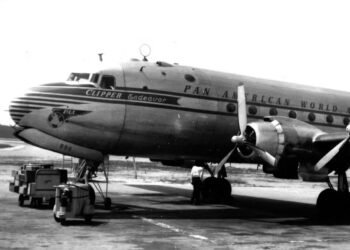
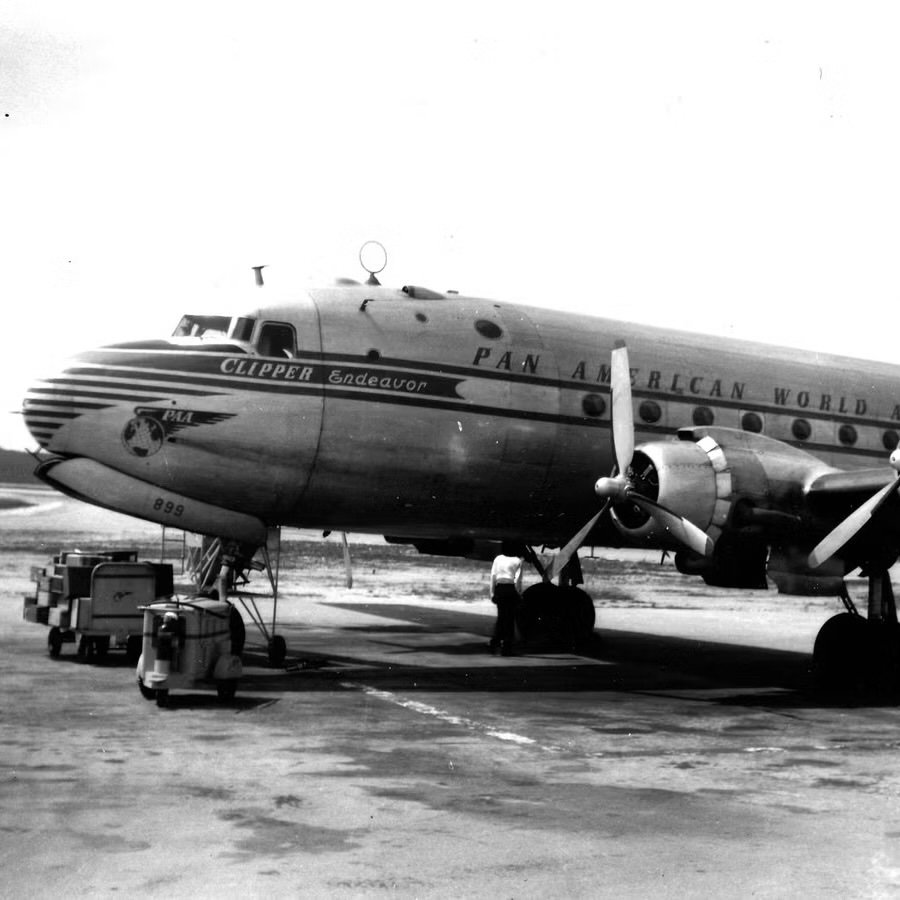
The Pan Am plane found after 74 years has finally answered a question that has haunted aviation historians and grieving families since 1952. Explorers have confirmed the wreckage of the aircraft known as the Clipper Endeavor lying nearly 2,000 feet beneath the Atlantic Ocean, just off the northern coast of Puerto Rico, closing out one of the longest unsolved mysteries in commercial flight history.
A Flight That Never Reached New York
On the morning of April 11, 1952, a date that later became known locally as the Good Friday Tragedy, the Clipper Endeavor departed San Juan, Puerto Rico, on a route bound for New York City. Sixty four passengers and five crew members were on board, expecting a routine journey north. Instead, within minutes of takeoff, two of the plane’s four engines lost power without warning.
The pilot immediately turned the aircraft back toward San Juan while the crew scrambled to dump fuel and lighten the load, buying precious extra seconds of altitude. It was not enough. Less than nine minutes after leaving the runway, the pilot was forced to bring the aircraft down onto the open ocean in an emergency water landing.
Survival, Then Tragedy, in Under Three Minutes
Every person on board is believed to have survived the initial impact with the water, a remarkable outcome for a mid century aircraft the size of a modern narrow body jet. But the relief was short lived. The tail section sheared off during the landing, and water began flooding into the cabin almost immediately.
Investigators later found that although the aircraft carried life rafts and personal flotation devices for everyone aboard, many passengers stayed in their seats rather than moving toward the exits in those critical first moments. The plane slipped beneath the surface in less than three minutes. Of the sixty nine people aboard, only seventeen made it out alive.
Seventy Four Years of Searching
For more than seven decades, the precise location of the wreck remained unknown, hidden somewhere in a vast stretch of open water off Puerto Rico’s coast. Over the years, various expeditions attempted to pinpoint the crash site using historical flight logs, weather data from the day of the accident, and accounts from survivors and rescuers, but the ocean kept its secret.
The breakthrough finally came this year, led by a nonprofit historical foundation dedicated to maritime and aviation discoveries, working alongside a television documentary crew and an underwater exploration company. The team gained short term access to an autonomous underwater vehicle normally used to survey the seafloor for mineral and gas deposits, equipped with high resolution sonar capable of mapping the ocean floor in fine detail.
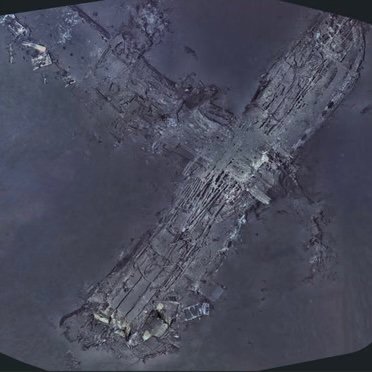
Searchers had only a narrow window, roughly two days, to scan their target search area before the equipment was needed elsewhere. Remarkably, they located the wreck on their very first pass, on June 2. The team went on to capture more than 350,000 high resolution photographs of the site, revealing the aircraft broken into two major sections, with the fuselage still largely intact and the faded outline of the original Pan American markings visible on the hull.
Survivors Who Lived to See the Discovery
Two people connected to the disaster as young survivors are reportedly still alive today. One is a woman, now past 100 years old, who was working as a young nurse on the flight and played a key role in helping fellow passengers escape through the cabin door before the plane went under. The other survivor was an infant at the time of the crash, found floating on the surface of the water and revived by rescuers. Both were said to be deeply emotional upon learning that the wreckage had finally been found after a lifetime of uncertainty.
How the Crash Changed Air Travel Forever
The 1952 disaster did more than claim 52 lives. It directly reshaped how airlines and regulators approached safety on flights over water. A government review board that later evolved into today’s Federal Aviation Administration examined the crash and pushed through a series of new rules meant to give passengers a better chance of survival in a similar emergency.
Those changes included mandatory preflight safety briefings, required functioning life vests at every seat, and clearer instructions for locating and using emergency exits. Many of the safety demonstrations airline passengers sit through before every takeoff today can be traced back, at least in part, to lessons drawn from this single flight.
What Happens to the Wreck Now
With the crash site finally confirmed, researchers say the next phase of work will focus on further dives, additional imaging, and careful documentation of the wreckage rather than any immediate recovery effort. The discovery offers historians a rare, well preserved window into a mid century aircraft resting largely undisturbed on the ocean floor, and it gives families connected to the tragedy a long awaited sense of closure after 74 years of not knowing exactly where their loved ones’ final flight had come to rest.
Read more : Malaysia Minister Says Overwork Turns You Gay, Sparks Fury