





What Is ADHD
So what is ADHD, really? Attention Deficit Hyperactivity Disorder, or ADHD, is a neurodevelopmental condition that affects how the brain manages attention, impulse control and activity levels. It is not a matter of laziness or bad discipline. The brains of people with ADHD are wired differently, particularly in the areas that handle focus, planning and emotional regulation. This difference shows up in daily life through forgetfulness, restlessness, trouble finishing tasks, and sudden shifts in mood or energy, much like the internet meme where someone goes from carefree happiness to cringing hard at their own past behavior in seconds.

ADHD is one of the most common neurodevelopmental conditions in the world, affecting both children and adults. While it is often diagnosed in childhood, many people go undiagnosed for years and only recognize the signs once they reach adulthood and struggle with work, relationships or daily responsibilities.
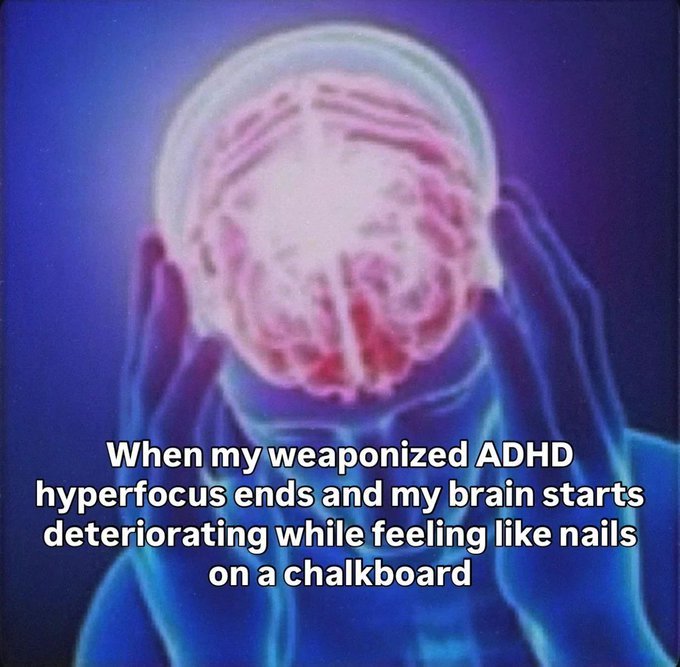
Common Symptoms Of ADHD
ADHD symptoms generally fall into two main categories, inattention and hyperactivity-impulsivity, though many people experience a mix of both.

Inattentive symptoms include difficulty focusing on tasks, losing track of conversations, forgetting appointments, misplacing items frequently, and struggling to organize daily responsibilities. Many people describe their mind as constantly jumping from one thought to another without warning.
Hyperactive and impulsive symptoms include restlessness, talking excessively, interrupting others, acting without thinking through consequences, and feeling an inner sense of urgency or restlessness even when sitting still.

A lesser known but very real symptom is emotional intensity. People with ADHD often feel emotions more strongly and can swing quickly between excitement and frustration or embarrassment, which is exactly the kind of relatable moment that ADHD memes tend to capture so well.

What Causes ADHD
The exact cause of ADHD is not fully understood, but research points to a combination of factors. Genetics play a major role, as ADHD tends to run in families. Differences in brain structure and neurotransmitter activity, particularly involving dopamine, also contribute to the condition. Other contributing factors may include premature birth, low birth weight, or exposure to certain substances during pregnancy.

It is important to note that parenting style, excessive screen time, or diet alone do not cause ADHD, although lifestyle factors can influence how symptoms present themselves.
How ADHD Is Diagnosed
There is no single test that confirms ADHD. Diagnosis typically involves a detailed evaluation by a healthcare professional, including a review of behavioral patterns, developmental history, and input from family members, teachers or partners. Symptoms must be present across multiple settings, such as home and work or school, and must significantly impact daily functioning for a diagnosis to be made.

Treatment Options For ADHD
ADHD is manageable with the right combination of treatment and support. Common approaches include behavioral therapy, which helps build organizational skills and coping strategies, and medication, which can help regulate attention and impulse control for many individuals. Lifestyle adjustments such as regular exercise, consistent sleep schedules, and structured routines also play a significant role in managing symptoms.
Many people with ADHD find that a combination of professional support and small daily habits makes the biggest difference over time.

Living With ADHD
Living with ADHD often means learning to work with your brain instead of against it. Many people find success using tools like reminders, timers, and written checklists to stay on track. Support groups and open conversations, much like the ones happening online through relatable memes and shared experiences, have also helped reduce the stigma around ADHD and made it easier for people to recognize themselves in others.
Understanding what ADHD is goes a long way in building empathy, both for the people who live with it every day and for those trying to understand a friend, coworker or family member who does.
read more : 10 Bad Math Memes That Nail Every Student’s Struggle
read more : 5 Math Memes So Relatable Even Non-Math People Will Laugh