


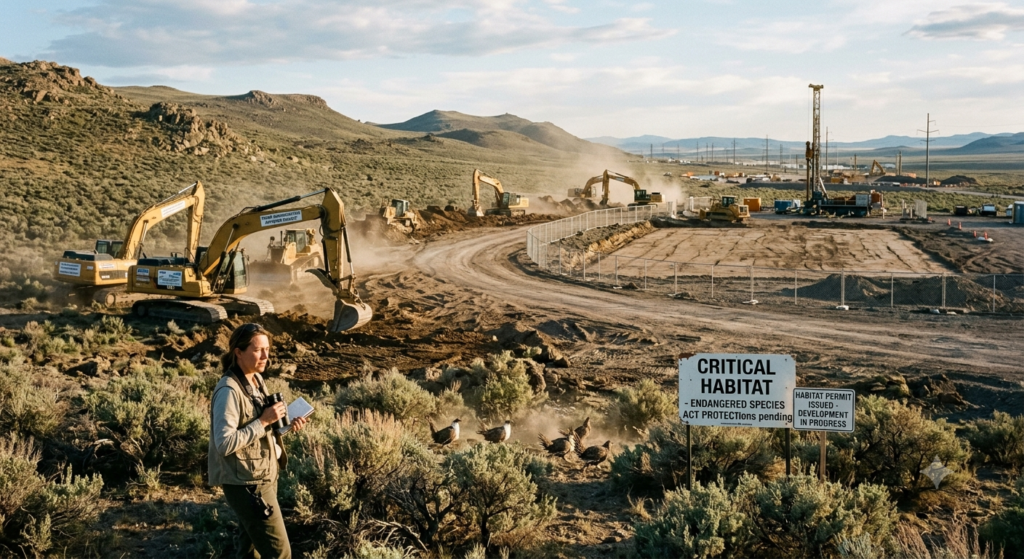
Some of America’s most vulnerable wildlife just lost a critical safety net. The Trump endangered species protections rollback strips away automatic safeguards for plants and animals on the brink of extinction, opening the door for companies to drill, mine, or build in their habitat while the clock keeps ticking on their survival.
The Safety Net That Just Disappeared
For decades, any species officially classified as threatened received the same automatic legal protections as species classified as endangered. That safety net is gone now. Each newly listed threatened species will instead need its own custom-built protection plan before any real safeguards take effect, and that process can stretch on for years while the species keeps losing ground.
A Loophole Big Enough to Drive a Bulldozer Through
While a species sits in limbo waiting on its individualized plan, businesses can apply for exemptions to drill, mine, or develop the exact habitat that species needs to survive. In effect, a company could get the green light to bulldoze critical habitat before the animal or plant living there ever receives formal protection. Conservationists call it a loophole that lets the very activities driving a species toward extinction speed right past any meaningful review.
Which Species Are Caught in the Crossfire
Around 30 species are currently in line for threatened status, and the list reads like a snapshot of America’s disappearing biodiversity. Monarch butterflies, alligator snapping turtles, spotted owls, and a range of snakes, fish, clams, and insects are all now facing a slower, shakier path to protection, with no guarantee they’ll get it in time.
Why the Administration Says This Is a Good Thing
Officials defending the rollback argue the old system slowed down or outright blocked too many development projects, driving up costs for businesses and everyday families. This latest change builds on a string of earlier moves this year, including an exemption for oil and gas drilling in the Gulf of Mexico and a narrower legal definition of what actually counts as harming a species.
Why Conservationists Are Sounding the Alarm
Wildlife advocates see a dangerous pattern. Their argument is simple: the same industries being handed exemptions are often the ones responsible for the habitat destruction that pushed these species toward extinction in the first place. Environmental groups warn the rollback could accelerate extinctions for species that are already running out of time, especially the ones still stuck waiting in the review pipeline with no protections in place.
History Repeating Itself
This isn’t the first time federal wildlife protections have swung back and forth with a change in the White House, and it won’t be the last. Similar rollbacks were undone once already under a previous administration, and legal challenges from conservation groups are all but guaranteed this time around too. The real question is whether the wildlife caught in the middle of this back-and-forth can survive long enough to see it play out.
Read more : Canadian Lottery Winner Strikes Gold a Second Time With 1.1 Million Dollar Total








1 Comment