


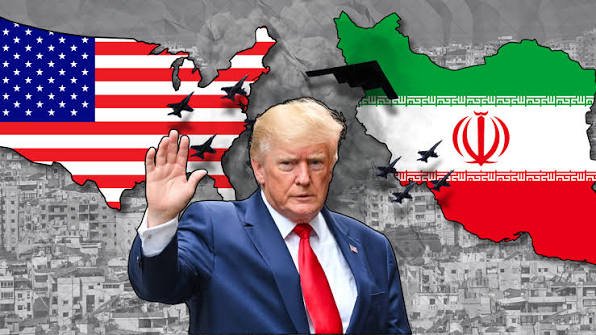
The Iran ceasefire is over — at least according to President Donald Trump, who declared the fragile truce dead on Wednesday just hours after the United States pounded Iranian military targets in and around the Strait of Hormuz.
What Happened
US forces struck more than 80 targets inside Iran, hitting air defense systems, command and control networks, coastal radar sites, anti-ship missile capabilities, and dozens of Revolutionary Guard small boats operating near the strait. The operation was framed as a direct response to a string of recent attacks on commercial shipping in the region.
Officials said the goal was to further weaken Iran’s ability to threaten free navigation through the waterway, holding Tehran accountable for what was described as unjustified aggression against civilian crews and commercial vessels. Three merchant ships were reportedly struck by Iran in the strait between Monday and Tuesday, and both a Saudi and Qatari tanker were among the targets — prompting Saudi Arabia to condemn the attacks as a direct threat to global energy supplies and international shipping safety.
Trump Declares the Deal Dead
Speaking at the NATO summit in Ankara, Turkey, Trump told reporters he now considers the ceasefire finished, calling the agreement a waste of time and accusing Iranian leadership of negotiating in bad faith — privately agreeing to terms while publicly denying them.
He didn’t hold back on Iran’s leadership, using harsh language to dismiss them, though he said the decision on whether talks continue would be left to US negotiators, insisting it’s now Tehran’s move to make. At a later briefing, he struck a slightly more measured tone, suggesting he doesn’t expect a full return to war and describing the latest exchange as proportional — Iran hit a couple of ships, the US hit back far harder.
Iran Hits Back at US Allies
Tehran responded quickly. Iran’s Revolutionary Guard said it retaliated by targeting American assets in neighboring countries, triggering alarms in Bahrain and Kuwait early Wednesday, with one Guard member reportedly killed in the exchange. This marks at least the third time the US has struck Iran while talks were still technically active, something Iranian officials say has permanently damaged trust between the two sides.
An advisor close to Iran’s Supreme Leader said the country is fully prepared for further US strikes, while Iranian forces warned they won’t tolerate outside interference in how the Strait of Hormuz is managed or controlled.
Global Fallout: Oil Prices Spike, Airlines Reroute
Markets reacted immediately. Oil prices jumped more than 5%, while European stocks slid following Trump’s comments.
Aviation regulators in Europe advised airlines to avoid Iranian, Iraqi, and Lebanese airspace through the end of August, citing high tensions and the risk of further military escalation. Thousands of seafarers remain stranded in the Persian Gulf as shipping traffic through the strait continues to be disrupted.
Washington also pulled back a license that had allowed Iranian oil exports under the earlier deal, and Trump indicated the US had already struck Kharg Island — Iran’s primary oil export hub — raising the possibility of an outright takeover of the facility.
International Response
NATO backed the US action firmly. Alliance leadership argued that a forceful response was necessary given Iran’s violation of the ceasefire, pointing to the prior day’s ship attacks as justification. Gulf state officials similarly condemned Iran’s strikes on Bahrain and Kuwait as a clear violation of sovereignty and a continued effort to destabilize the region.
The Bigger Picture
This escalation didn’t come out of nowhere. The current conflict traces back to late February 2026, when US and Israeli strikes on Iran triggered a wave of retaliatory attacks on American embassies, bases, and oil infrastructure across the Middle East, disrupting global trade and travel. A ceasefire followed in early April after more than five weeks of fighting, and a formal memorandum of understanding was signed in mid-June, aiming to resolve the conflict within 60 days.
That agreement required Iran to restore commercial shipping through the strait to pre-war levels in exchange for eased sanctions and unfrozen assets — terms both sides now accuse each other of breaking. Wednesday’s strikes represent the most significant exchange since the ceasefire process began.
What Happens Next
Whether “over” means a full return to open war or another round of pressure tactics remains to be seen. Trump has left room for renewed talks even while threatening further escalation, including possible action against Iran’s most important oil terminal. With markets rattled, airlines rerouting, and Gulf allies now caught in the crossfire, the next few days will likely determine which direction this heads.
Read more : https://yipzap.com/microsoft-ai-cost-cutting-rattles-tech-giants/
Read more : Democratic Lawmakers Prepare Project 2029 Social Media Ban for Kids Under 16